Slow Transit Along the High Trails of Val Badia
Navigating dramatic limestone folds and historic Ladin hamlets with deliberate presence and unhurried steps.
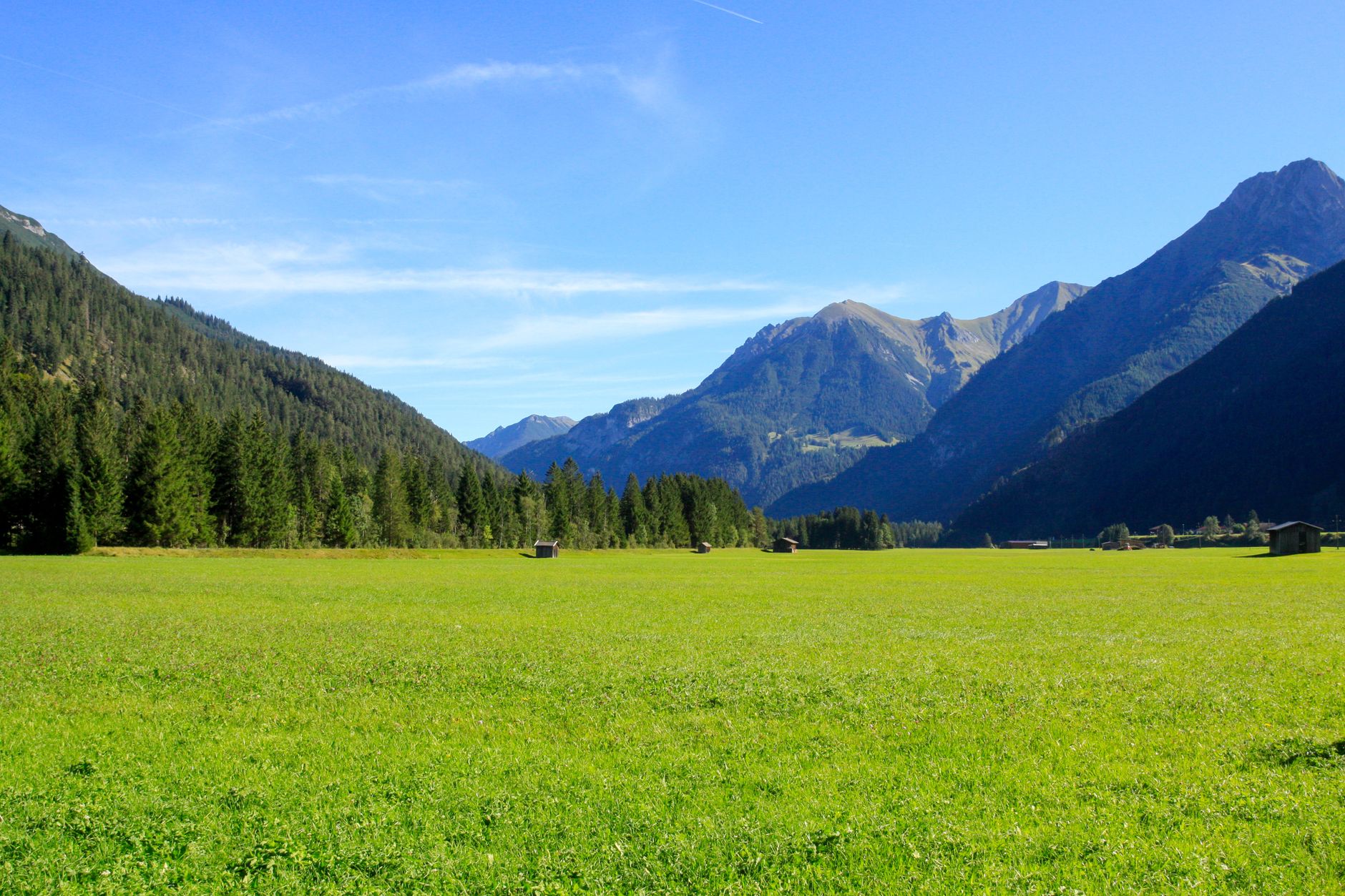
When morning fog clears from the scree slopes of Sassongher, Val Badia emerges not as a playground of frantic sports, but as an enduring sanctuary of alpine silence.
Here in the heart of the Dolomites, high plateau pastures have been nurtured for millennia by speakers of Ladin—one of Europe's rarest Romance idioms. Unlike valleys that yielded completely to ski resorts, Val Badia has preserved agricultural rhythms that place sustainability and communal stewardship at the center of existence.
The Architectural Elegance of Viles
Walking the slopes between San Cassiano and La Val reveals the traditional hamlet structure known as 'viles'. These clusters of timber and whitewashed stone houses share common bakehouses, grain stores, and water fountains, organized to withstand grueling winter isolation while fostering mutual trust.
Modern architects across the region have taken note. Contemporary refuges echo these proportions, using local larch and untreated stone to build spaces that weather naturally under mountain snowfall rather than dominating the horizon.
"To understand alpine beauty, one must walk without reaching for an agenda. The rock remains impartial; it only yields its calm to those who measure their pace."
The Taste of Terroir at 2,000 Meters
High mountain huts (rifugi) have evolved far past mere emergency shelter. At Rifugio Scotoni, for instance, simple polenta prepared with heirloom local corn accompanies mountain butter stamped with regional insignia. Paired with crisp Alto Adige Pinot Bianco, the experience is grounding and unpretentious.
As sustainable travel evolves, places like Val Badia illustrate that luxury is not about excess ornamentation, but access to untainted air, crisp spring water, and the sound of bells drifting through alpine pines.