Coastal Terroir: Salt, Seaweed, and Basque Kitchens
Documenting sea-spray vineyards, open hearth cooking, and deep maritime heritage along the Bay of Biscay.
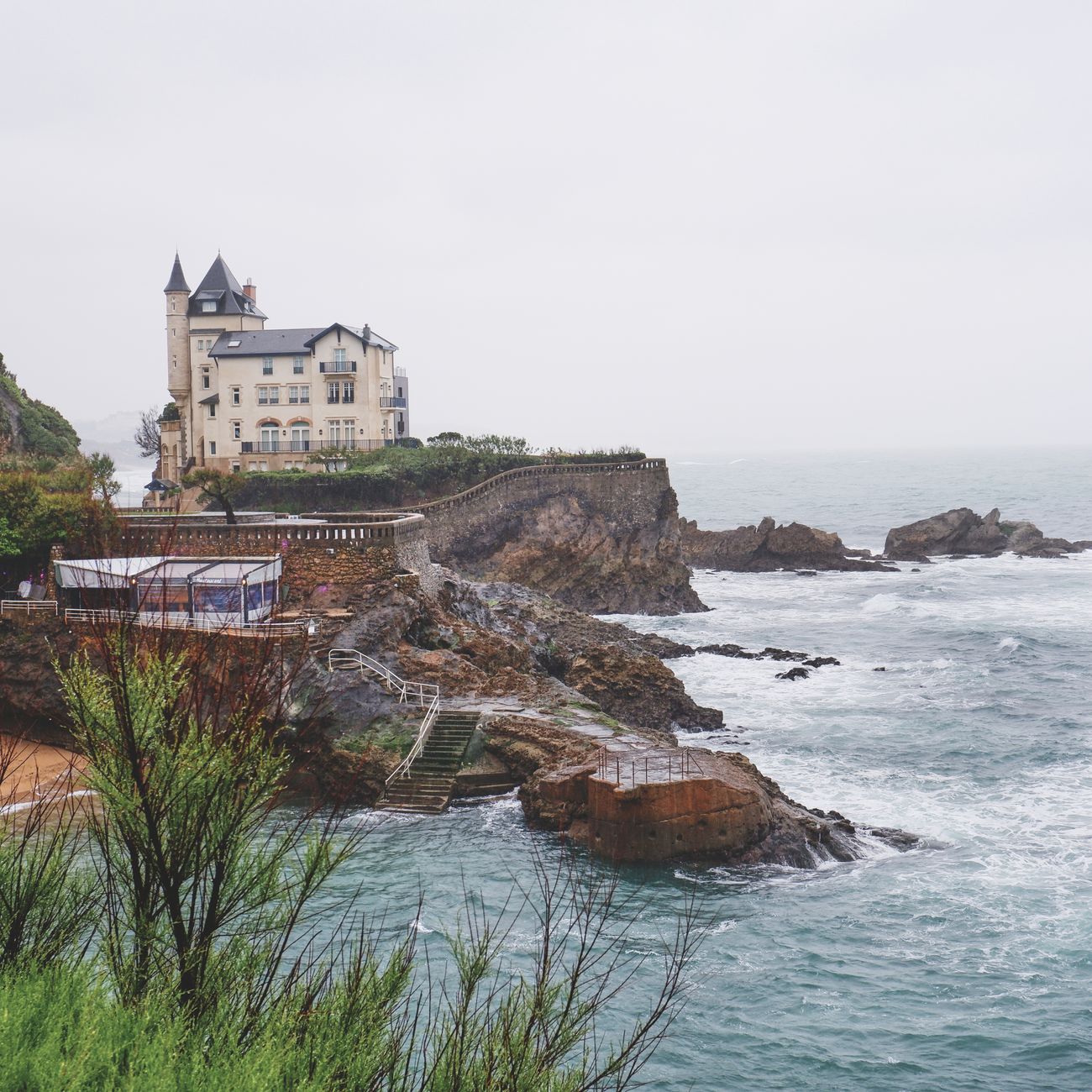
The Cantabrian coast does not whisper; it roars with Atlantic waves breaking against steep green cliffs, sending salty ocean spray high into coastal vineyards.
Here in the Basque territory around Getaria, culinary culture is inseparable from the ocean. While urban centers have become synonymous with high gastronomy, the purest experiences are found in quiet fishing villages where daily catches dictate the day's single menu.
The Mastery of Charcoal and Wind
In traditional asadores (grill houses), whole turbot is encased in wire grates and laid over embers of holm oak. No marinades, no heavy sauces—only cold-pressed olive oil, a dash of cider vinegar, sea salt, and decades of muscle memory judging the fish's gelatin and smoky caramelization.
Surrounding hillside slopes grow Hondarrabi Zuri vines used for Txakoli, a light, mineral-forward white wine poured from high above to aerate its fine bubbles and accentuate clean acidity.
"The kitchen does not invent flavor here; it only acts as translator for the cold, wild sea at our feet."
Sustaining Maritime Biodiversity
What sustains this system is stringent artisanal line-fishing and collective quotas strictly upheld by local fishermen's guilds (cofradías). By valuing catch quality over mass volume, regional communities preserve species while offering diners unmatched freshness.
To taste food here is to experience a landscape where geography, craft, and ecology exist in harmonious equilibrium.